
Beyond the Runway: A Pakistani Traveler’s Survival Guide to Airspace Closure
A guaranteed guide for Pakistani travelers during airspace closure. Learn your rights, how to get a full refund from airlines, and emergency tips to avoid trouble. Read on flightsticket.pk.
TRAVEL TIPS
2/28/20264 min read
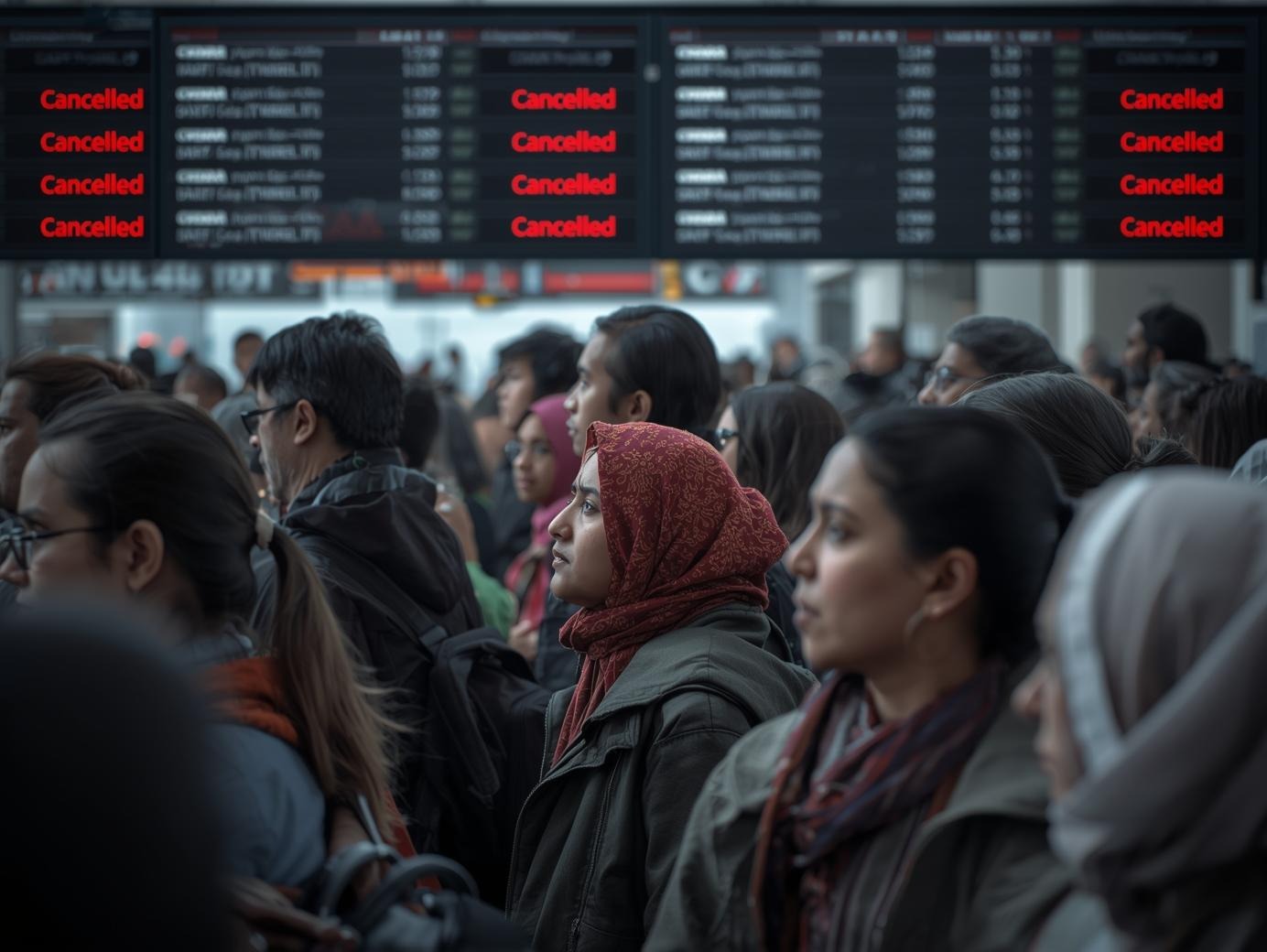
It was a scene of sudden devastation at Doha's Hamad International Airport. Those lucky passengers who had just reached the boarding gate were seen turning back, while hundreds of eyes were fixed on the departure screens that had flickered from "On Time" to "Cancelled." Qatar Airways had suspended all flights, stranding passengers thousands of miles away from their destinations.
Half a world away, similar scenes unfolded in Muscat and Almaty. Oman Air and SalamAir cancelled flights to multiple destinations, while Air Astana turned its planes back mid-air.
For today's Pakistani traveler—whether a businessman departing from Karachi, a student returning to London from Lahore, or a family traveling to meet loved ones in Dubai—airspace closures are no longer just news headlines, but a potential part of the journey itself.
This guide will inform you about your rights, responsibilities, and survival strategies in unexpected situations like airspace closures.
Why Do Airspace Closures Happen? Understanding the 'Why'
Airspace closures are rarely arbitrary. They are precautionary measures taken by national authorities to ensure the safety of civil aviation.
The Regional Domino Effect: As seen in late February 2026, when military actions occur (such as strikes on Iran), it is not just the airspace of the involved nations that closes. Neighboring countries like Qatar, UAE, and Kuwait often shut their airspace as a safety buffer. This creates a massive ripple effect.
The Pakistani Precedent: Pakistan itself has been through this before. In the past, the Civil Aviation Authority (CAA) has issued NOTAMs (Notice to Airmen) closing airspace due to regional tensions. Remember, the safety protocols we see in Gulf countries today are the same ones protecting our skies at home. Understanding that this is a standard, global safety procedure can help reduce the initial shock.
The Golden Rules of Survival: Tips for the Stranded Pakistani Traveler
When the news breaks and your flight status app turns red, here is exactly what you need to do.
1. The "3-Hour Rule" and The Power of Face- to-Face Consultation
When flights are suspended, airlines become overwhelmed. Phone lines jam. Chatbots become useless.
Wait, But Not Too Long: Experts advise giving the airline about three hours to automatically rebook you.
Go to the Source: If you are already at the airport, stay there (if safe) and find the airline counter. Face-to-face consultation with airline staff is infinitely more effective than a phone call. If you are at a hotel, meet the concierge. Hotel staff in major hubs like Dubai or Doha often have direct contacts with airlines and can perform miracles that no app can.
2. Become Your Own Travel Agent
Don't just wait for the airline to save you. Take matters into your own hands.
Think Outside the Box: If your direct flight from Lahore to London is cancelled due to airspace closure, don't just look at that route. Can you fly via Colombo? What about via Istanbul? Check for open routes to alternate cities. You might fly to a neighboring country where airspace is still open and connect from there.
Check Budget Airlines: While major airlines might be grounded, regional budget airlines might still be operating or be the first to resume.
3. Know Your Rights: Rebooking, Refunds, and "Duty of Care"
This is crucial. When an airline cancels a flight due to airspace closure (considered an "extraordinary circumstance" or force majeure), you are not entitled to extra compensation, but you are entitled to care.
The Choice is Yours: You have the right to choose between a full refund or being re-routed to your destination.
Duty of Care: While you are stranded, the airline is responsible for your basic needs. These include:
Meals and refreshments (reasonable amounts).
Hotel accommodation if you are stranded overnight.
Transport to and from that hotel.
Tip: If the airline is overwhelmed and cannot provide vouchers, keep every single receipt. You can claim these "reasonable" costs back from the airline later. Don't book a luxury suite, but don't suffer in silence at the airport terminal either.
4. The Pakistani Specifics: What If It Happens at Home?
If you are flying out of Pakistan and airspace closes (like the 48-hour closure seen in the past), remember these points:
Don't Rush to the Airport: Before leaving home, confirm the cancellation. During the last closure, several airports including Islamabad were closed, and passengers were advised to turn back.
Longer Routes and Technical Stops: If airspace is partially closed (e.g., unable to fly over a neighboring country), expect longer flight times. Indian carriers recently had to fly south towards Muscat instead of their usual routes, leading to "technical stops" for refueling. Be mentally prepared for a flight that might take 2-3 hours longer than usual, and pack snacks and entertainment accordingly.
Insurance: The Lifeline
In times like these, travel insurance transforms from a "waste of money" to your best friend.
Check Your Policy: Not all insurance covers geopolitical events, but many comprehensive plans do.
Document Everything: From the moment your flight is delayed, start documenting. Screenshot the cancellation notice. Photograph your meal at the airport. Save every taxi receipt. You will need these for reimbursement claims.
The Silver Lining: Lessons from the Caribbean and the Gulf
Whether it's Heathrow closing due to a power outage, a geopolitical event closing Doha, or a storm closing Caribbean airspace, the lesson is the same.
Flexibility is the currency of travel. The passenger who demands to see the manager usually gets nowhere. The passenger who asks, "What can you do for me?" or "Is there a way to get to Amman instead?" often finds a solution.
As we have seen with SalamAir suspending all international services and airlines like Air Astana diverting their planes, the next 24 to 48 hours are always the toughest. But airspace eventually reopens. Flights eventually resume.
Travel safe, Pakistan. And may your journeys be smooth and your rights protected.